GMP-Aligned Peptide Production: What It Means for B2B Buyers
Learn what GMP-aligned peptide production means for B2B buyers, including quality control, documentation, batch traceability, and why it matters in bulk supply and custom peptide inquiries.
GMP-Aligned Peptide Production: What It Means for B2B Buyers
For B2B buyers evaluating peptide supply options, manufacturing language can quickly become confusing. Terms like quality control, documentation, batch traceability, and GMP often appear in supplier discussions, but not every buyer interprets them the same way.
One phrase that comes up often is GMP-aligned peptide production.
For buyers, this does not just sound more professional. It points to a more structured way of discussing how peptide products are handled, how manufacturing workflows are organized, and how documentation and quality-related communication may be approached during a project.
In practical terms, GMP-aligned production matters because B2B peptide inquiries are rarely only about product availability. Buyers also want clearer communication around supply consistency, analytical review, manufacturing processes, and supporting documents.
This article explains what GMP-aligned peptide production means in a B2B context and why it matters when discussing bulk supply, project-based sourcing, or custom peptide requirements.
What Does GMP-Aligned Mean?
In supplier communication, GMP-aligned generally refers to manufacturing workflows and operational practices that are organized around more controlled production standards.
For B2B buyers, this often means discussions may include topics such as:
controlled manufacturing environments
batch traceability
documented workflows
quality review processes
analytical support
structured communication around production and documentation
This matters because peptide sourcing decisions are often influenced by more than price or product name. Buyers may also need confidence that the supply discussion is being handled in a way that supports consistency, technical review, and clearer project communication.
Why GMP-Aligned Production Matters to B2B Buyers
1. It supports more structured manufacturing communication
A B2B peptide inquiry often involves multiple variables at once:
product name or peptide category
quantity expectations
preferred format
purity targets
documentation needs
destination market
project timeline
When production is discussed in a GMP-aligned framework, the conversation is usually more organized. That does not automatically answer every buyer question, but it creates a stronger basis for discussing manufacturing expectations clearly.
2. It helps buyers think in terms of batch consistency
For recurring procurement or larger-volume sourcing, batch consistency becomes an important consideration. Buyers do not want every discussion to start from zero with each order cycle. They want more confidence in how production is managed and how quality-related discussions may be handled from batch to batch.
GMP-aligned production is relevant here because it points toward a more traceable and process-oriented manufacturing workflow.
3. It strengthens documentation-related discussions
Many B2B buyers need more than a product name and a shipping confirmation. Depending on the inquiry, they may also want to discuss:
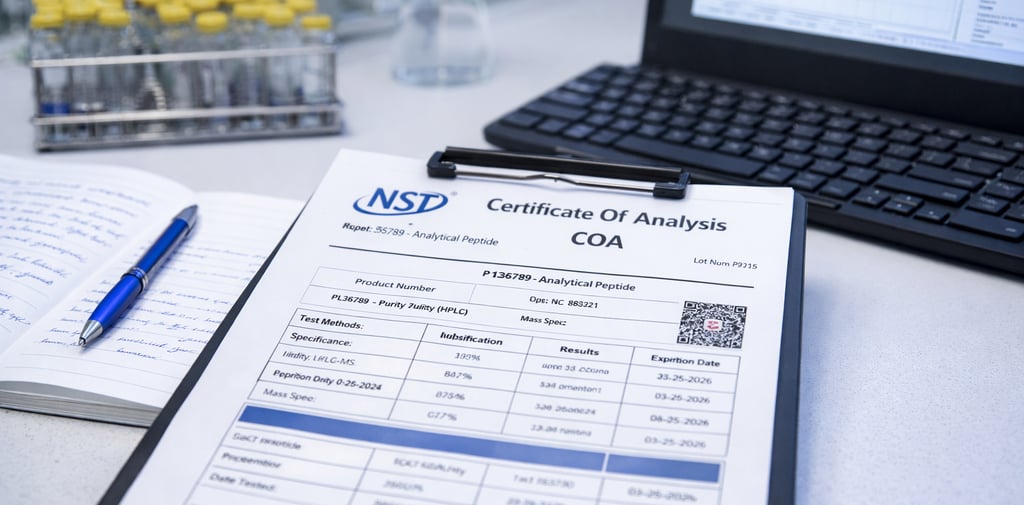
COA-related support
analytical review
batch records
product specifications
manufacturing-related documentation
A GMP-aligned production framework often makes those discussions easier to structure, especially when documentation expectations are part of the inquiry from the beginning.
4. It is more relevant for long-term supply discussions
For one-off inquiries, buyers may focus on immediate product needs. But for distributors, brands, or project-based B2B buyers, the bigger question is often whether the supplier can support more structured supply communication over time.
That is where GMP-aligned production becomes more meaningful. It suggests that the conversation is not only about a single shipment, but also about how production, documentation, and communication may be handled more consistently across an ongoing supply relationship.
What B2B Buyers Usually Look for in GMP-Aligned Peptide Discussions
When buyers ask about GMP-aligned production, they are often trying to understand whether the supplier can support a clearer sourcing process.
The most common areas of concern usually include the following.
Controlled production workflows
Buyers often want to understand whether the supplier discusses manufacturing in a way that reflects process control rather than ad hoc handling. This includes how production steps are organized, how batches are tracked, and how quality-related points are communicated.
Analytical quality review
Analytical discussions are often central to peptide sourcing. Buyers may want to ask about:
HPLC-related review
MS-related review
purity discussions
product evaluation methods
A GMP-aligned production conversation is often stronger when analytical review is treated as part of a structured workflow rather than an afterthought.
Batch traceability
For B2B buyers, traceability is not just an internal manufacturing concept. It directly affects how clearly they can discuss supply history, batch-related questions, and documentation expectations.
Documentation support
Documentation is one of the most important trust signals in B2B peptide communication. Buyers may want to clarify what types of supporting documentation can be discussed as part of the inquiry process and at what stage those discussions become relevant.
GMP-Aligned Production and Bulk Supply
Bulk supply inquiries often require a different level of communication than smaller or simpler requests.
A buyer discussing larger-volume peptide supply may need to clarify:
recurring procurement expectations
production planning
format requirements
supply continuity
analytical review needs
destination market considerations
In this context, GMP-aligned production matters because it provides a stronger framework for discussing manufacturing at scale. Buyers are not only evaluating a product. They are evaluating whether the supplier can support a more organized supply relationship.
GMP-Aligned Production and Custom Peptide Synthesis
The term is also relevant in custom synthesis discussions.
In custom peptide projects, the buyer may need to discuss:
sequence requirements
purity targets
technical project details
documentation needs
production scope
batch-related expectations
A GMP-aligned production discussion can make these project conversations more structured. Instead of treating each point separately, it helps create a clearer framework around how the project may move from inquiry to production-related communication.
Common Misunderstandings B2B Buyers Should Avoid
Misunderstanding 1: GMP-aligned only matters for large corporations
In reality, even smaller B2B buyers can benefit from more structured production discussions. Clearer communication around manufacturing, documentation, and quality support can improve decision-making regardless of company size.
Misunderstanding 2: GMP-aligned only means better marketing language
Buyers should not interpret the term as a slogan alone. It becomes meaningful when it is supported by more practical discussions around workflows, traceability, quality review, and documentation.
Misunderstanding 3: GMP-aligned production removes the need for buyer questions
It does not. Buyers should still ask clear questions about quantity, purity, format, documentation, and project scope. GMP-aligned production is most useful when it supports more transparent communication, not when it replaces it.
Questions B2B Buyers Should Ask
If you are discussing peptide sourcing with a supplier, these are useful questions to clarify early:
How do you discuss manufacturing workflows for bulk or project-based inquiries?
What analytical review methods are commonly referenced in product discussions?
How are batch-related questions typically handled?
What documentation-related requirements can be discussed during the inquiry stage?
How do you approach recurring procurement or larger-volume supply communication?
For custom peptide inquiries, what information should be provided at the beginning?
These questions often help buyers move beyond general marketing language and toward a clearer sourcing conversation.
What This Means in Practice
For B2B buyers, GMP-aligned peptide production should be understood as a sign of more structured manufacturing communication, not just a technical phrase.
It matters because peptide sourcing often involves several business-critical concerns at once:
product quality
supply planning
technical clarity
documentation support
batch consistency
project communication
A supplier discussion framed around GMP-aligned production is often more helpful because it gives buyers a stronger basis for asking the right questions and organizing their inquiry more effectively.
Final Thoughts
For B2B buyers, peptide sourcing is not simply about identifying a product and requesting a quote. It is about understanding whether the supplier can support a clearer process around manufacturing, analytical review, batch traceability, and documentation-related communication.
That is why GMP-aligned peptide production matters.
It gives buyers a more practical framework for evaluating supplier discussions, especially when the project involves bulk supply, recurring procurement, or custom peptide requirements.
If you are preparing a peptide inquiry, it helps to start with the basics: product name or project requirement, quantity, preferred format, purity target, destination country, and any documentation needs. The clearer the inquiry, the easier it is to move into a more structured production discussion.
If you are discussing bulk peptide supply, custom synthesis, or documentation-related peptide inquiries, contact us to continue the conversation with clearer project details and sourcing requirements.
Contact
Reach out for partnerships and inquiries
Phone
+852 4456 4220
© 2025. All rights reserved.