
How to Choose a Peptide Manufacturer for Bulk Supply
3/17/20267 min read
Understanding the Type of Supply You Need
When embarking on the process of selecting a suitable peptide manufacturer for bulk supply, the initial step involves attaining a comprehensive understanding of your specific peptide supply requirements. This evaluation is critical as it aids in aligning your needs with the capabilities of potential suppliers. One significant aspect to consider is whether you need a single peptide or a diverse array of peptides. Different manufacturers may specialize in either type, and understanding your prerequisites in advance can streamline the selection process.
Furthermore, the intended application of the peptides should be thoroughly assessed. Are they intended for research, commercial applications, or perhaps for therapeutic use? Each of these applications may necessitate different compliance standards, quality controls, and even manufacturing processes. For example, peptides intended for therapeutic use may require adherence to stringent regulatory guidelines, while those utilized solely for research may have less rigid stipulations. Recognizing these distinctions can facilitate the selection of a manufacturer whose offerings align with your specific needs.
Another critical factor to contemplate is the scale of supply you require. Will you need small-scale production for limited studies, or are you seeking a manufacturer capable of large-scale production? Different manufacturers excel in varying batch sizes, and it is imperative to engage with a supplier that can accommodate your anticipated volume without compromising on quality.
In conclusion, a thorough assessment of your peptide supply needs—including the number of peptides, their intended use, and the production scale—will greatly inform your decision-making process when choosing a peptide manufacturer for bulk supply. Such clarity will not only enhance collaboration with potential suppliers but also ensure that the outcomes are aligned with your project's objectives.
Clarify Product Format and Quantity Requirements
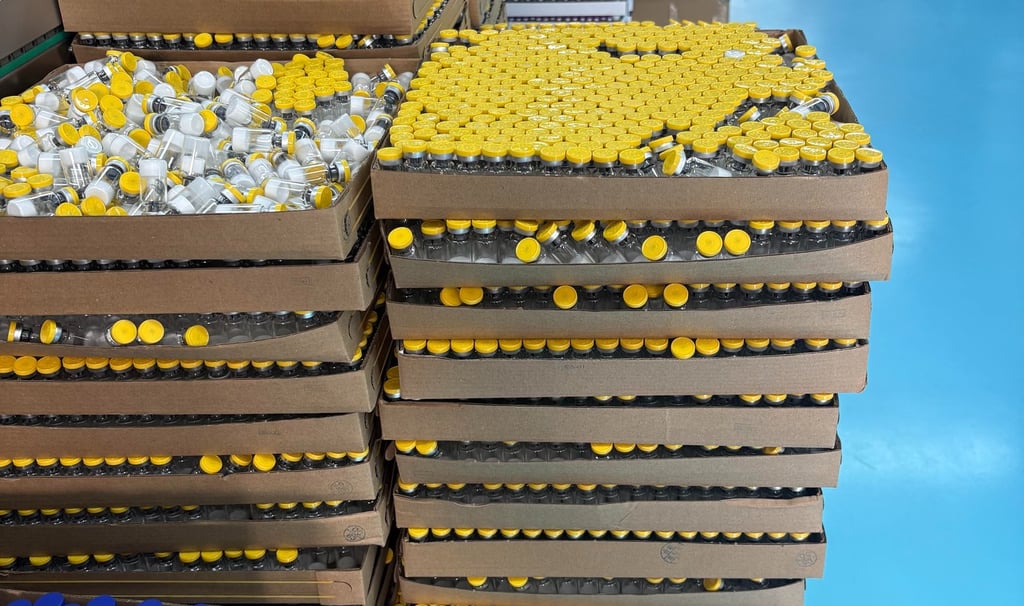
When selecting a peptide manufacturer for bulk supply, it is imperative to clearly articulate your product format and quantity requirements early in the process. Different formats, such as lyophilized (freeze-dried) peptides, aqueous solutions, or powders, can substantially influence the handling, stability, and usability of the peptides in your specific applications. For instance, lyophilized peptides may offer a longer shelf life and enhanced stability during transport, while aqueous solutions may be more suitable for applications necessitating immediate use but may have limitations concerning storage duration.
Understanding the properties associated with various formats can also aid in determining compatibility with the intended application. For example, if stability under varying temperature conditions is crucial for your application, a lyophilized format may be more desirable compared to an aqueous solution, which could degrade more readily if not stored properly. Engaging in discussions about these factors with potential manufacturers is advisable, as their capabilities in preserving the integrity of the peptides can differ.
In addition, the quantity of peptides required is another vital consideration. Different manufacturers may have minimum order quantities, which can vary from small volumes suitable for research purposes to large-scale productions for commercial applications. Ensuring that the selected manufacturer can meet your specific order sizes and deliver consistent quality is essential for achieving the desired outcomes in your projects. It is prudent to inquire not only about their capacity to meet your requirements but also about their lead times and any flexibility they may offer in adjusting order sizes.
Ask About Documentation and Analytical Support
When selecting a peptide manufacturer for bulk supply, prioritizing documentation and analytical support is essential. These components ensure that the products meet industry standards and regulatory requirements. The availability of a Certificate of Analysis (COA) and Safety Data Sheet (SDS) is critical for verifying the quality and safety of the supplied peptides. A COA provides detailed information regarding the peptide's identity, potency, and purity, while the SDS outlines safety measures and potential hazards. These documents form the foundation for quality assurance and compliance in peptide manufacturing.
In addition to proper documentation, assessing the analytical support provided by the manufacturer is vital. Standard analytical methods such as High-Performance Liquid Chromatography (HPLC), Mass Spectrometry (MS), and Nuclear Magnetic Resonance (NMR) spectroscopy are routinely employed to ascertain the purity and identity of peptides. Manufacturers should conduct regular purity testing to ensure that their products meet the specified criteria, as a higher purity level typically corresponds to better efficacy and reduced risk of side effects.
Stability studies play a pivotal role in evaluating the shelf life and overall reliability of peptide products. This testing involves storing the peptide under various conditions and monitoring its characteristics over time. Such analyses help ensure that the peptide maintains its effectiveness until its expiration date.
Overall, comprehensive documentation, combined with robust analytical support from the manufacturer, significantly contributes to compliance and quality control. By choosing a manufacturer that prioritizes these aspects, buyers can mitigate risks associated with purity and efficacy, resulting in a more reliable supply of peptides for research or therapeutic purposes.
Review Communication Around Production and Project Scope
Effective communication forms the bedrock of successful business-to-business (B2B) transactions, particularly when selecting a peptide manufacturer for bulk supply. One of the first aspects to evaluate when engaging a potential supplier is their communication methods, especially regarding critical areas such as production timelines, adjustments in project scope, and ongoing updates throughout the manufacturing process.
It is essential to establish how prospective manufacturers communicate about production schedules. A reliable supplier should be transparent about their timelines, providing detailed information regarding when production will commence and the expected duration. This clarity aids buyers in aligning their expectations and planning accordingly. Moreover, manufacturers should demonstrate proactive communication, promptly informing clients of any delays or changes that could impact delivery times.
In addition to production timelines, potential modifications in project scope must also be thoroughly discussed. Circumstances can evolve, influencing the requirements for peptide production. A competent manufacturer should be able to articulate how they manage changes in specifications, ensuring both parties understand the implications, including any potential alterations in cost, delivery time, or product quality. Questions concerning flexibility in scaling production should also be addressed, as this is crucial for businesses anticipating fluctuations in demand.
Lastly, consistent updates throughout the production process foster a collaborative relationship and can significantly reduce misunderstandings. An effective supplier will utilize multiple communication channels—whether through email, calls, or project management platforms—to relay important information and progress reports. By prioritizing open lines of communication, both the manufacturer and the buyer can collaborate effectively, ensuring that project objectives are met, ultimately leading to a successful partnership.
Choose a Supplier That Fits Your B2B Workflow
In the competitive landscape of peptide manufacturing, selecting a supplier whose operational style aligns with your business-to-business (B2B) workflow is paramount. A peptide manufacturer may offer high-quality products, but if their operational protocols do not integrate seamlessly with your company’s processes, inefficiencies can arise, potentially impacting your bottom line.
Firstly, assess the supplier’s ordering processes. Does the manufacturer employ a streamlined ordering system that complements your existing procurement workflow? Consider whether their ordering platform integrates smoothly with your inventory management system, enabling faster order placements and reducing potential errors. A manufacturer offering customizable ordering solutions can adapt to your needs and expedite the supply chain.
Payment terms represent a critical aspect of the supplier relationship. Seek a manufacturer that provides flexible payment options compatible with your budget cycles. Reliable payment schedules can enhance cash flow management, thereby supporting your operational efficiency. Engaging in discussions around payment structures upfront will also establish clear expectations and foster a transparent relationship.
Customer service is another integral aspect that should not be overlooked when selecting a peptide manufacturer. Evaluate the responsiveness and support levels of the supplier’s customer service team. Is there a dedicated representative to assist with inquiries, or does the manufacturer employ a more automated approach? Strong customer support ensures that issues can be resolved promptly, minimizing disruptions in the supply chain.
Ultimately, selecting a peptide manufacturer that aligns with your B2B workflow necessitates a thorough evaluation of their ordering protocols, payment terms, and customer service. By ensuring a suitable fit, collaboration with your peptide supplier can be streamlined, enhancing overall operational efficiency and productivity.
Assess the Manufacturer's Experience and Reputation
When selecting a peptide manufacturer for bulk supply, assessing both their experience and reputation within the industry is essential. A manufacturer with a significant track record typically exhibits a higher level of reliability and quality assurance. This experience often translates to knowledge about the complexities of peptide synthesis and the necessary technological capabilities required for high-quality production.
One of the first steps in evaluating a manufacturer’s experience is to consider their years of operation within the peptide market. Manufacturers who have been in the industry for a considerable duration are likely to have refined their processes and established robust quality control measures. Additionally, their standing among peers and clients can indicate their ability to meet or exceed industry standards.
Client testimonials, case studies, and reviews from other business-to-business (B2B) buyers can serve as invaluable resources. These pieces of feedback reflect firsthand experiences regarding the manufacturer’s product quality, reliability, and customer service. Researching this information, perhaps through online forums, professional networks, or direct inquiries, provides insights into how well the manufacturer is regarded within the community.
Furthermore, the presence of industry certifications can also bolster a manufacturer’s credibility. Compliance with Good Manufacturing Practices (GMP) and adherence to international standards not only assures quality but also demonstrates the manufacturer’s commitment to maintaining ethical standards. Such certifications reiterate a manufacturer’s responsibility toward product safety and efficacy, providing further assurance to potential clients.
Ultimately, synthesizing this information will aid in making an informed decision. A thorough investigation into a peptide manufacturer’s experience and reputation lays the foundation for a successful partnership, ensuring the supply of high-quality peptides that meet your business needs.
Consider Long-Term Partnerships and Supply Reliability
When selecting a peptide manufacturer for bulk supply, it is crucial to contemplate the potential for long-term partnerships. A stable relationship with a dependable manufacturer can significantly influence the success of your projects. One key aspect to evaluate is the manufacturer’s capacity for scaling production. As your project’s demands grow, a responsive supplier who can increase output without compromising quality is invaluable. This scalability ensures that your peptide supply aligns with your organizational needs over time, thereby securing the continuity of your operations.
A reliable peptide supplier should also exhibit flexibility in accommodating changes. Variability in project requirements—such as adjustments to formulation or production timelines—can frequently occur in the peptide industry. Thus, partnering with a manufacturer possessing the capability to address these changes efficiently and responsively can mitigate potential disruptions. The ability to adapt to new specifications or unexpected demand increases is a key indicator of a supplier’s reliability and commitment to collaboration.
Moreover, overall reliability can be evaluated through a manufacturer’s track record. Assess the supplier’s history regarding quality assurance, delivery times, and customer service. Maintaining consistently high standards in these areas not only contributes to an uninterrupted supply chain but also fosters trust, which is essential in a long-term partnership. By establishing a relationship with a dependable peptide manufacturer, you secure a supportive ally in the competitive realm of peptide supply, ultimately influencing the success and growth of your business.
Contact
Reach out for partnerships and inquiries
Phone
+852 4456 4220
© 2025. All rights reserved.